
I watched MSNBC’s Rachel Maddow show this past Monday, and I was frustrated. She’s brilliant and patriotic, but like journalists everywhere she tends to see people and world events somewhat superficially. I’ll explain why. Ms. Maddow was bemoaning the fact that so many … [Read more...] about Why People Support Donald Trump
Consciousness
The Vital Knowledge We Disown
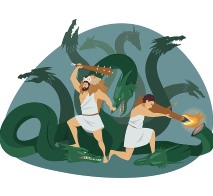
Many of us are somewhere on a neurosis spectrum where our emotional and behavioral self-regulation is rendered unstable by inner conflict, misleading defenses, and lingering attachments to unresolved negative emotions. Deep in our unconscious mind is a hidden dysfunction … [Read more...] about The Vital Knowledge We Disown
The Blindness of the Species

The surging mental-health distress among children and adults attests to the urgency of demystifying the human psyche. We blind ourselves—through a false self, naïve ego-ideal, and vainglorious self-image—to the inner dynamics in our psyche. We are not recognizing how we become … [Read more...] about The Blindness of the Species
Why Americans Are So Wretchedly Divided

Our emotional weak link, the inner conflict lurking covertly in our psyche, turns us against ourself and each other. We create enemies of fellow citizens to the degree that we’re inwardly conflicted. Whether liberal or conservative, the political and cultural viewpoints we … [Read more...] about Why Americans Are So Wretchedly Divided
What Freud Knew That We Still Hate to See
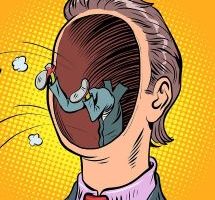
The world’s mental-health dysfunction derives largely from psychological ignorance and self-deception. Why do you think so many 21st Century people are still hateful, violent, and murderous—or so depressed and despairing. Why are so many of us unwilling to protect our planet or … [Read more...] about What Freud Knew That We Still Hate to See